Avocado Salmon Sushi Bowl
Highlighted under: Worldwide Food | Global Dishes
Whenever I crave something fresh and vibrant, I turn to my Avocado Salmon Sushi Bowl. This dish combines the rich flavor of salmon with creamy avocado, all layered over a bed of fluffy sushi rice. It’s incredibly satisfying and feels like a treat, yet it’s surprisingly healthy. The bright flavors mingle beautifully, and it brings a little bit of sushi bar flair right to my kitchen. I love how customizable it is, allowing me to add toppings that suit my mood or what I have on hand.
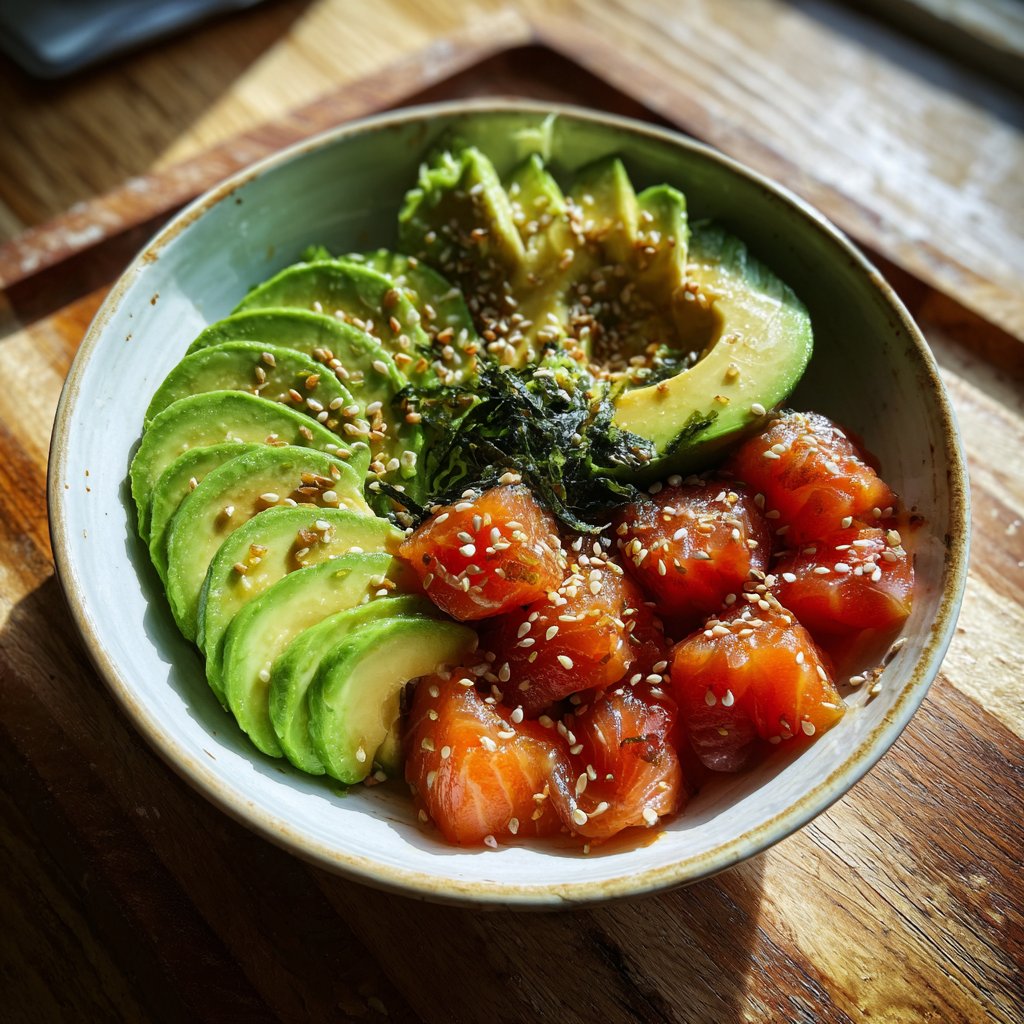
When I first made this Avocado Salmon Sushi Bowl, I was skeptical if I could replicate the restaurant-quality sushi at home, but it turned out to be a game changer! The key to perfecting it lies in the rice; I always ensure to rinse it thoroughly to remove excess starch, which results in that ideal sticky texture.
Another tip I've learned is to use very fresh salmon, ideally from a trusted fishmonger, to ensure the highest quality. This not only elevates the flavors but also guarantees a safe and satisfying meal, making every bite a delightful experience.
Why You'll Love This Recipe
- Fresh and vibrant ingredients that burst with flavor
- Creamy avocado that perfectly complements the salmon
- Easy to customize with your favorite sushi toppings
Preparing Your Sushi Rice Perfectly
The quality of your sushi rice is crucial to this dish's overall texture and flavor. Using short-grain sushi rice is recommended because it becomes sticky as it cooks, helping the bowls to hold together. Be sure to rinse the rice at least five times until the water runs clear to remove excess starch. This step prevents the rice from becoming gummy during cooking and helps achieve that perfect fluffy texture.
When cooking the rice, bring the water to a rapid boil for approximately 5-7 minutes, then immediately reduce the heat to low and cover the pan. The key is to let the rice steam undisturbed; lifting the lid prematurely can result in unevenly cooked rice. After 20 minutes of cooking, let the rice rest off the heat for 10 minutes to fully absorb any remaining moisture.
Crafting the Perfect Bowl
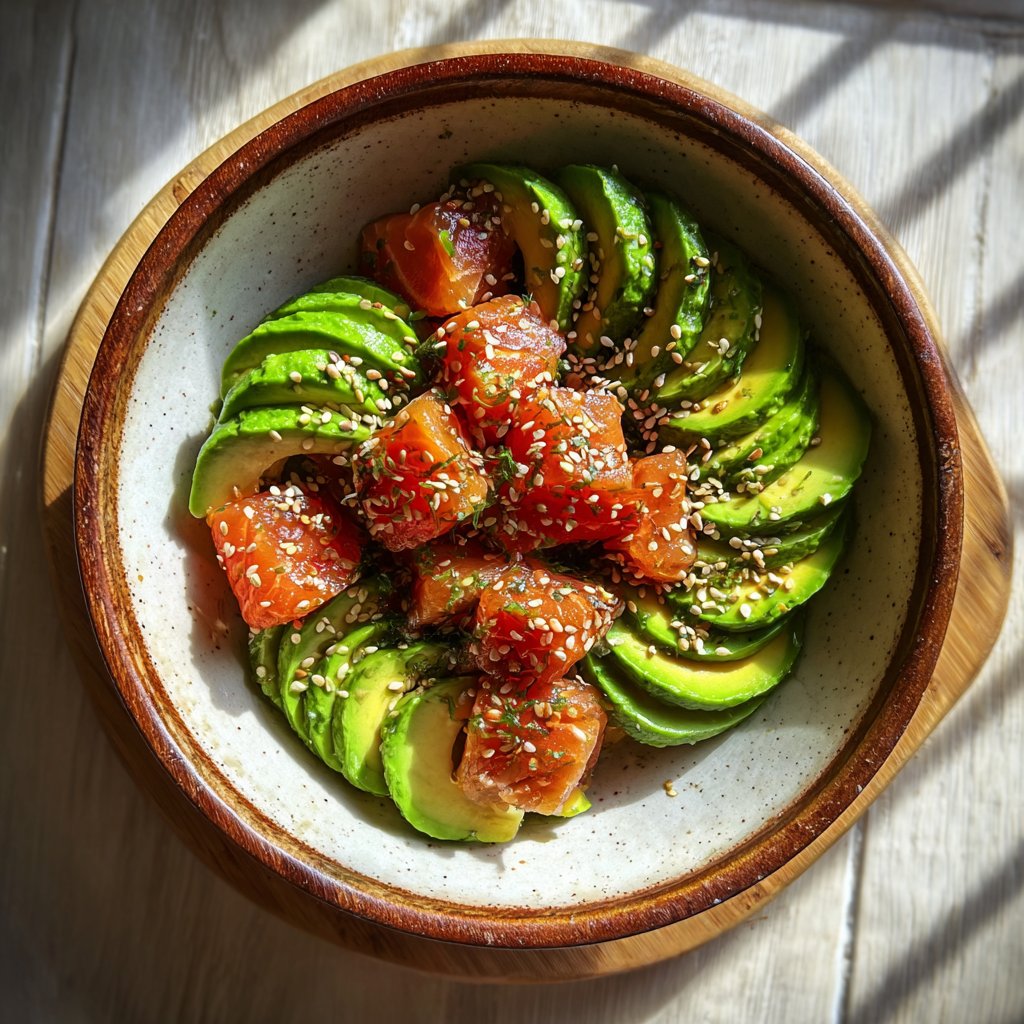
Assembly is where this dish truly shines, allowing for personal creativity in presentation. Start by gently fluffing the cooled rice before placing it in your bowls, ensuring that it maintains its light, airy structure. For a stunning visual appeal, consider how you arrange your toppings. I like to place the salmon, avocado, and cucumber in a fan for a beautiful contrast of colors and textures, complementing the creamy with the crisp.
When adding your toppings, fresh ingredients are key. Opt for ripe avocados that yield slightly to pressure for the best flavor and texture. If you're in a pinch, cucumbers can be substituted with shredded carrots for a different crunch, while cooked shrimp can replace the salmon for those who prefer seafood that’s fully cooked.
Ingredients
Ingredients for Avocado Salmon Sushi Bowl
For the Sushi Bowl
- 1 cup sushi rice
- 1 1/4 cups water
- 1 tablespoon rice vinegar
- 1 teaspoon sugar
- 1/2 teaspoon salt
- 4 ounces fresh sushi-grade salmon, diced
- 1 ripe avocado, sliced
- 1 small cucumber, julienned
- 2 tablespoons soy sauce
- 1 tablespoon sesame seeds
- 2 green onions, sliced
Instructions
Instructions
Prepare the Sushi Rice
Rinse the sushi rice under cold water until the water runs clear. In a medium saucepan, combine the rinsed rice and water. Bring to a boil, then reduce heat to low and cover. Cook for 20 minutes, until all water is absorbed. Remove from heat and let it sit covered for 10 minutes.
Season the Rice
Mix the rice vinegar, sugar, and salt in a small bowl until dissolved. Transfer the cooked rice to a large bowl and gently fold in the vinegar mixture. Allow the rice to cool to room temperature.
Assemble the Bowl
In serving bowls, layer the seasoned rice, then top with diced salmon, sliced avocado, and julienned cucumber. Drizzle with soy sauce, sprinkle sesame seeds, and finish with sliced green onions.
Pro Tips
- Feel free to add additional toppings like pickled ginger or wasabi for extra flavor. You can also substitute the salmon with tuna or another protein of your choice for a different twist.
Customizing Your Sushi Bowl
One of the greatest aspects of this Avocado Salmon Sushi Bowl is how adaptable it is. Feel free to include a variety of toppings such as pickled ginger, radishes, or even spicy mayo for an extra kick. If you like a little heat, adding a few slices of jalapeño or a drizzle of sriracha can elevate the flavor profile dramatically, making it uniquely yours.
For a vegetarian version, consider substituting the salmon with marinated tofu or a generous serving of edamame. These ingredients provide protein while keeping the dish hearty without compromising on taste. You could also add more vegetables, such as sliced bell peppers or marinated seaweed, to enhance the bowl’s nutrition and color.
Storing and Reheating
If you have leftovers, store the components separately to maintain texture. The rice can be kept in an airtight container in the fridge for 3-4 days, but avoid storing it for too long, as sushi rice loses its texture and flavor over time. To reheat, you can steam it lightly or microwave it at low power with a splash of water covered to retain moisture.
Sliced avocado can brown quickly; to keep it fresh if you're preparing in advance, sprinkle the slices with lemon juice or store them submerged in water. This will prevent oxidation and keep their vibrant green color. Diced salmon should be used within 24 hours for optimal freshness, and if not consumed, consider freezing any unused portions—just be mindful that the texture may change slightly once thawed.
Questions About Recipes
→ Can I use cooked salmon instead of raw?
Yes, cooked salmon works well too! Just ensure it’s flaky and has good seasoning.
→ How can I make this dish vegetarian?
You can replace salmon with marinated tofu or tempeh for a delicious vegetarian option.
→ What type of rice is best for sushi?
Short-grain sushi rice is ideal due to its sticky texture, which helps it hold together in bowls.
→ How long can I store leftover sushi bowls?
The assembled sushi bowl is best enjoyed fresh, but you can store leftovers in the refrigerator for up to 24 hours. The avocado may brown, so it's best to add it fresh when serving.
Avocado Salmon Sushi Bowl
Created by: The Stephaniesfood Team
Recipe Type: Worldwide Food | Global Dishes
Skill Level: Intermediate
Final Quantity: 2 servings
What You'll Need
For the Sushi Bowl
- 1 cup sushi rice
- 1 1/4 cups water
- 1 tablespoon rice vinegar
- 1 teaspoon sugar
- 1/2 teaspoon salt
- 4 ounces fresh sushi-grade salmon, diced
- 1 ripe avocado, sliced
- 1 small cucumber, julienned
- 2 tablespoons soy sauce
- 1 tablespoon sesame seeds
- 2 green onions, sliced
How-To Steps
Rinse the sushi rice under cold water until the water runs clear. In a medium saucepan, combine the rinsed rice and water. Bring to a boil, then reduce heat to low and cover. Cook for 20 minutes, until all water is absorbed. Remove from heat and let it sit covered for 10 minutes.
Mix the rice vinegar, sugar, and salt in a small bowl until dissolved. Transfer the cooked rice to a large bowl and gently fold in the vinegar mixture. Allow the rice to cool to room temperature.
In serving bowls, layer the seasoned rice, then top with diced salmon, sliced avocado, and julienned cucumber. Drizzle with soy sauce, sprinkle sesame seeds, and finish with sliced green onions.
Extra Tips
- Feel free to add additional toppings like pickled ginger or wasabi for extra flavor. You can also substitute the salmon with tuna or another protein of your choice for a different twist.
Nutritional Breakdown (Per Serving)
- Calories: 480 kcal
- Total Fat: 20g
- Saturated Fat: 3g
- Cholesterol: 50mg
- Sodium: 890mg
- Total Carbohydrates: 54g
- Dietary Fiber: 6g
- Sugars: 1g
- Protein: 22g